
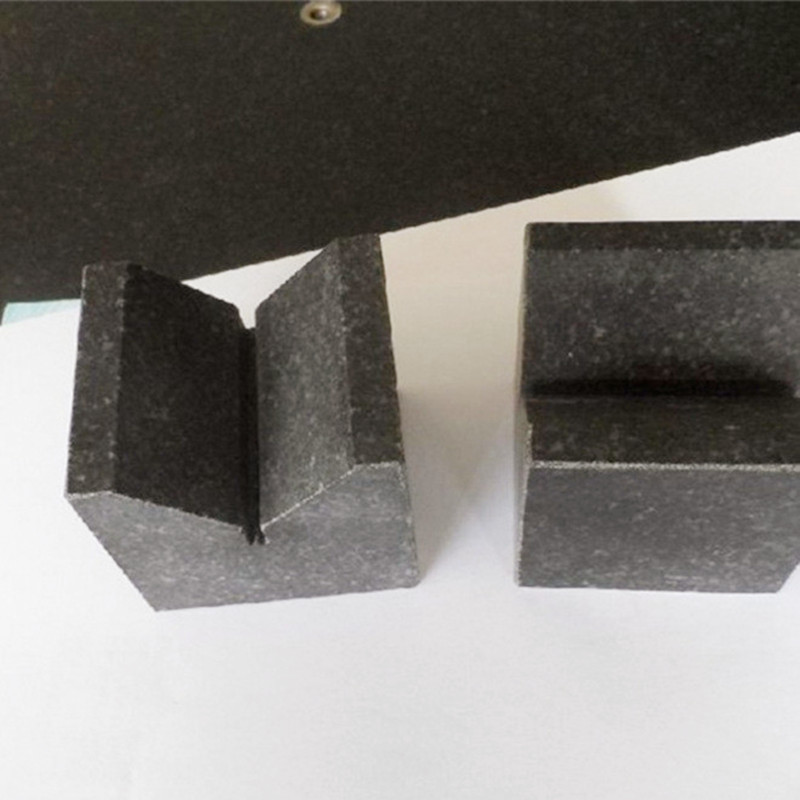
sandblasted toughened glass
Understanding the Pricing Dynamics of Micrometre Technology In recent years, the micrometre (or micron) technology sector has witnessed significant advancements, making it a focal point for various industries, including electronics, healthcare, and material science. As the applications for micrometre-scale products continue to evolve and expand, understanding the pricing dynamics of micrometre technology becomes increasingly important for businesses and consumers alike. Defining Micrometre Technology Micrometre technology deals with measurements and structures at the scale of one millionth of a meter (or one thousandth of a millimeter). This precision is crucial in sectors such as semiconductor fabrication, precision engineering, and even the burgeoning field of nanotechnology. Components and systems designed at the micrometre scale can enhance performance, reduce energy consumption, and enable new functionalities, making their pricing a matter of both competitive strategy and technological innovation. Factors Influencing Micrometre Pricing 1. Raw Material Costs The price of raw materials plays a significant role in the overall cost of micrometre products. Materials like silicon, gallium arsenide, and various polymers can experience price volatility due to market demand, geopolitical factors, and supply chain disruptions. Fluctuations in material costs can directly impact the production costs, which, in turn, influence product pricing. 2. Manufacturing Processes The complexity and sophistication of the manufacturing processes used to create micrometre components are also critical. Advanced techniques such as photolithography, etching, and deposition require highly specialized equipment and skilled labor, contributing to higher production costs. As companies invest in more innovative and efficient manufacturing technologies, these costs can be mitigated, but initial investments may lead to higher prices in the short term. micrometre price 3. R&D Investments The micrometre technology sector is highly competitive, with continuous innovation driving the need for robust research and development (R&D). Companies that invest heavily in R&D may set higher prices for their products to recoup these investments. However, successful innovations often lead to economies of scale, which can ultimately drive prices down as production ramps up. 4. Market Demand and Competition Consumer demand heavily influences pricing in any technology market. As industries increasingly incorporate micrometre technology into their products and processes, demand is likely to grow. This demand can drive prices up if supply does not keep pace. Conversely, increased competition among manufacturers can lead to price reductions as companies strive to capture market share. Future Outlook The future pricing of micrometre tech appears to be on a path influenced by several additional factors, including advancements in automated manufacturing and the integration of AI in production processes. Such progress can streamline operations and reduce costs, potentially lowering prices for end-users. Furthermore, as more players enter the micrometre technology market, increased competition could lead to further price stabilization. Environmental considerations and sustainability initiatives may also shape pricing strategies. As consumers become more environmentally conscious, companies may need to invest in sustainable practices, which could affect their cost structures and pricing strategies. Conclusion In summary, the pricing of micrometre technology is shaped by a complex interplay of factors, including raw material costs, manufacturing processes, R&D investments, and market dynamics. As the demand for micrometre-scale applications continues to rise, understanding these influences will be crucial for stakeholders across the spectrum. Businesses must remain agile, adapting to changes in the market and investing in innovations that can offer competitive pricing while ensuring quality and performance in their micrometre technology offerings. As we look ahead, ongoing developments in manufacturing processes and shifts in market demand will undoubtedly continue to influence the pricing landscape of micrometre technology.
about
sandblasted toughened glass
Understanding the Price Dynamics of 24% Butterfly Valves Butterfly valves are critical components in various industrial applications, serving as flow control devices that regulate the flow of liquids and gases. With growing demand across sectors such as water treatment, oil and gas, chemicals, and HVAC, the market for butterfly valves, particularly 24% butterfly valves, has experienced notable price variations. In this article, we will explore the factors influencing the price of 24% butterfly valves, their specifications, and considerations for procurement. What is a Butterfly Valve? A butterfly valve is a type of quarter-turn valve that uses a rotating disc to regulate flow. The disc is mounted on a shaft and can be turned to open or close the flow path. When operated, the disc rotates to either allow or prevent flow through the valve body. This design is particularly efficient for applications that require quick and simple operation. Types and Specifications of 24% Butterfly Valves 24% butterfly valves typically refer to valves designed for specific applications requiring a 24% opening capacity. These valves come in a variety of materials, including cast iron, stainless steel, and plastic, allowing for diverse industrial use. The specifications will influence the price, with factors such as size, pressure rating, and material composition playing crucial roles. Factors Influencing the Price of Butterfly Valves 1. Material Composition The price of butterfly valves is largely determined by the material from which they are made. Stainless steel valves are generally more expensive than those made from ductile iron or plastic, due to their resistance to corrosion and longevity in harsh environments. 2. Size and Diameter Larger valves require more material and may necessitate more complex manufacturing processes, leading to higher costs. For example, a 24-inch butterfly valve will typically have a higher price point than a 6-inch valve due to material and engineering requirements. 3. Pressure Rating The operational pressure specifications of a valve affect its design and material strength. Higher pressure-rated valves must meet stricter manufacturing standards, subsequently increasing their cost. 4. Manufacturing Processes The complexity of the manufacturing process can also contribute to pricing variations. Valves that require precision machining or specialized fabrication techniques may cost more than those produced through standard methods. 5. Market Conditions and Demand The global price of raw materials, such as metals and plastics, can fluctuate due to market conditions. Additionally, changes in demand from various sectors can drive prices up or down. 6. Brand and Quality Established brands that provide high-quality products often command a premium price. Buyers may pay extra for a reputable brand known for its reliability and performance, especially in critical applications. 24 butterfly valve price 7. Regulatory Compliance In certain industries, valves must adhere to specific regulatory standards (such as API in oil and gas). Compliance can necessitate additional testing and certification, which may impact pricing. Cost Estimates for 24% Butterfly Valves The price of 24% butterfly valves can vary significantly based on the aforementioned factors. On average, customers can expect to pay anywhere from $50 to $500 for standard sizes and materials. However, heavily duty or specialty valves could exceed these estimates, especially when considering custom specifications. Considerations for Procurement When looking to procure 24% butterfly valves, it is essential to assess your needs thoroughly. Here are some considerations 1. Application Requirements Understand the specific requirements of your application, including flow rates, pressure levels, and temperature ranges. 2. Vendor Reputation Research potential suppliers, focusing on reviews, past performance, and industry reputation. 3. Total Cost of Ownership Consider the long-term costs associated with the valve, including potential maintenance, the frequency of replacements, and operational efficiency. 4. Warranty and Support Evaluate the warranties and customer support offered by the manufacturer, as these can provide additional value and assurance. 5. Bulk Purchasing and Discounts If your project requires multiple valves, explore volume purchasing options that may yield discounts. Conclusion The price of 24% butterfly valves is influenced by a myriad of factors ranging from material composition to market dynamics. Understanding these influences can help businesses make informed purchasing decisions that align with their budgetary constraints and operational requirements. As industries continue to evolve, staying informed about pricing trends in butterfly valves will remain essential for effective procurement strategies.
-

High quality industrial productsagement

High quality industrial products
View Details -

Meet the diverse needs of customers

Meet the diverse needs of customers
View Details -

Strict quality control

Strict quality control
View Details -

Top raw materials

Top raw materials
View Details -

Trusted supplier

Trusted supplier
View Details
Our application

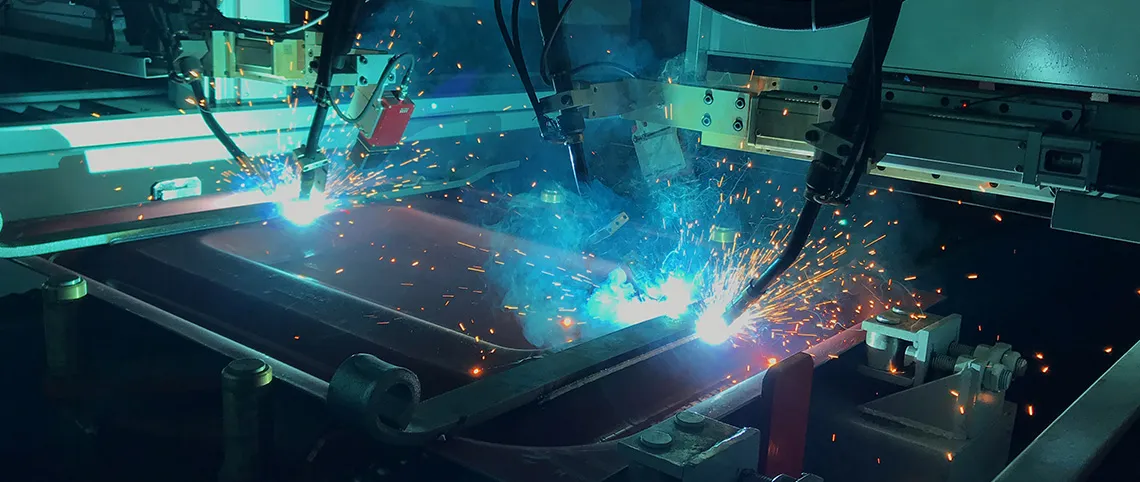
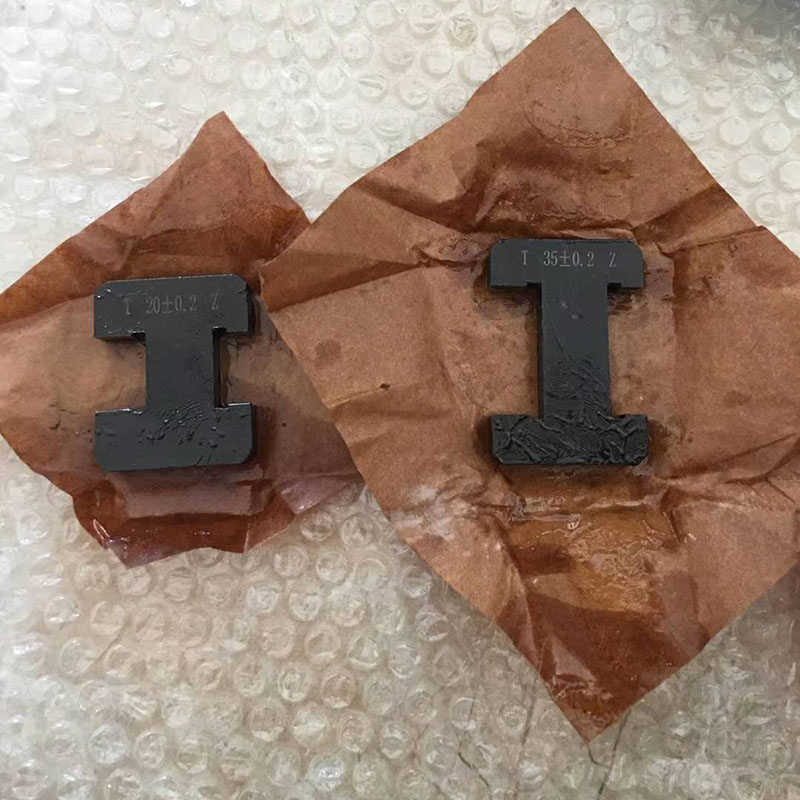
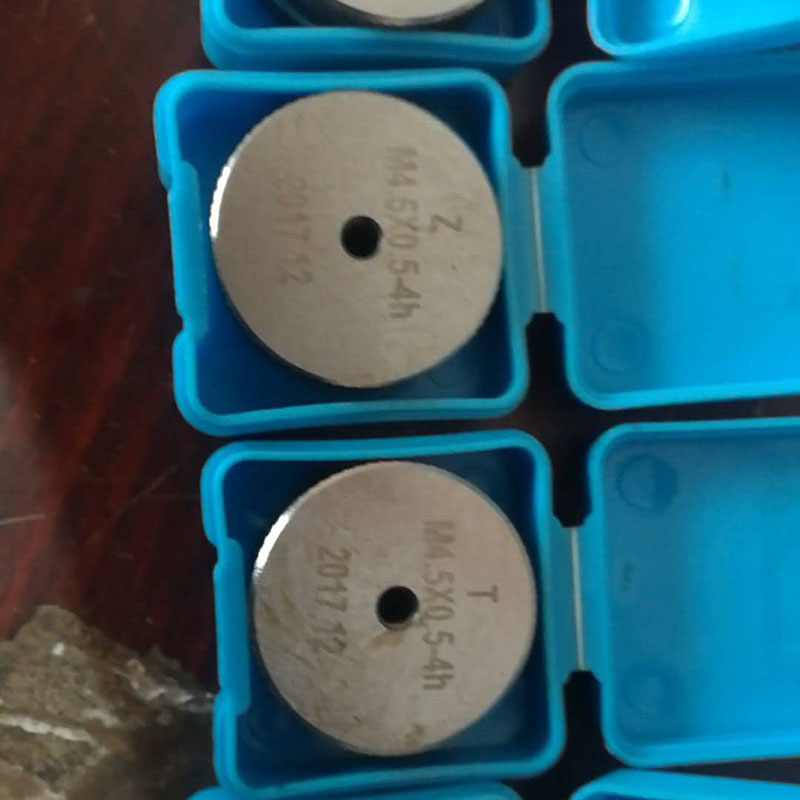
news and information
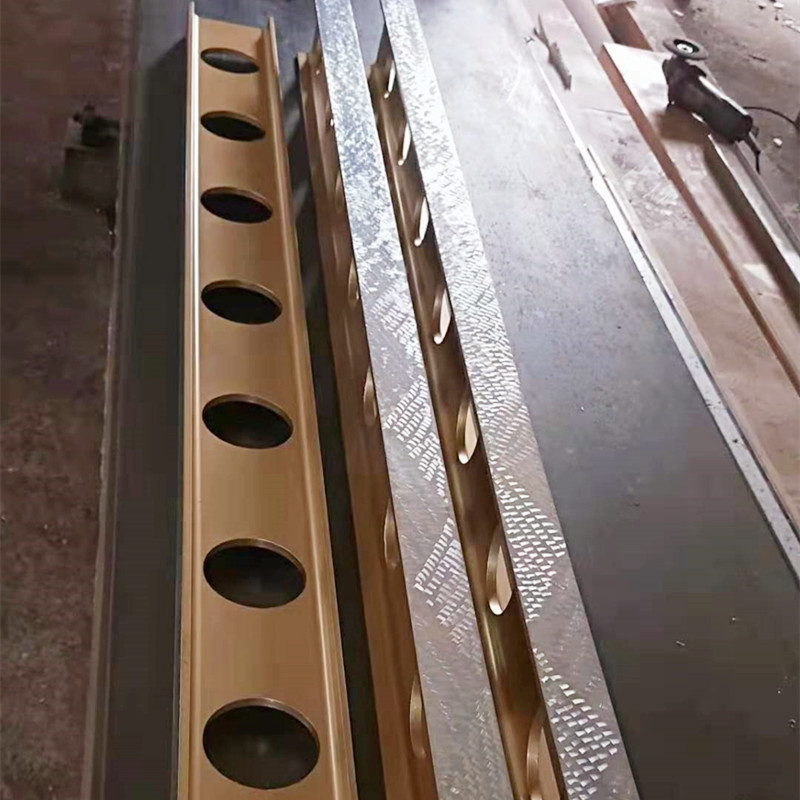
Versatile DIY Welding Table for Home Projects and Metal Fabrication
The Ultimate Guide to Home Welding Tables Home welding has gained immense popularity in recent years
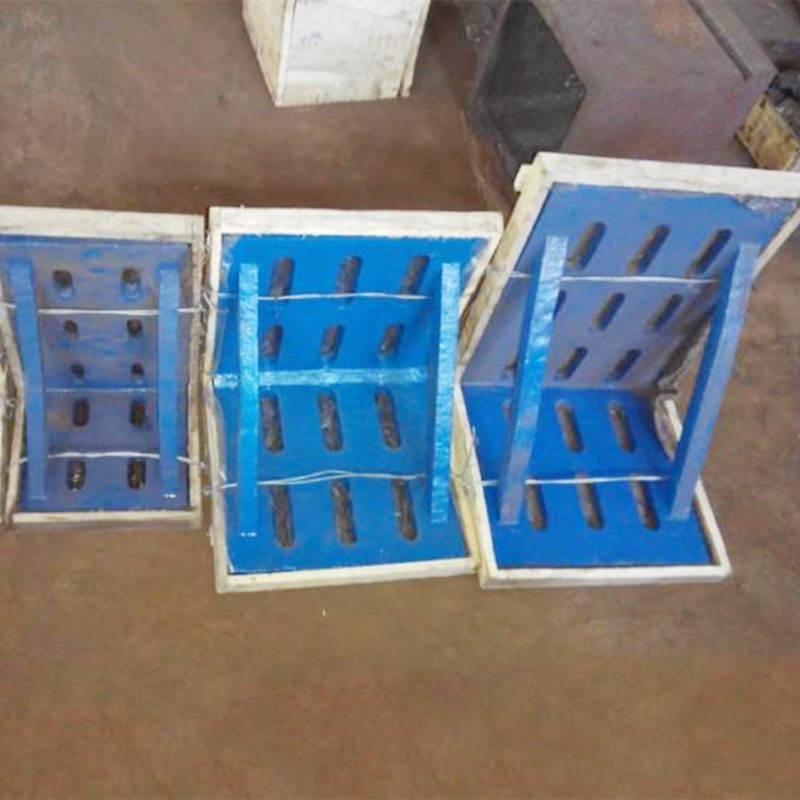
Válvula Principal de Água - Soluções Eficientes para Controle de Água
Válvula Principal de Água A Vital Importância no Sistema Hidráulico A válvula principal de água é um
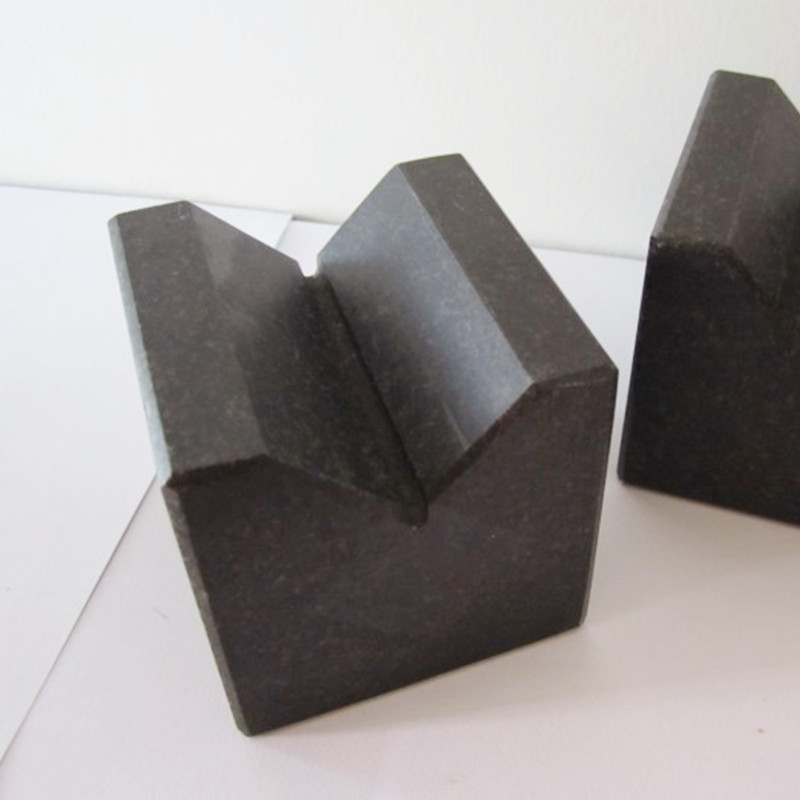
valve
Exploring the Fascinating World of Valves Valves are integral components used in a multitude of syst
 English